

Premium Offset Printing for High End Packaging
Offset printing is the preferred choice for brands that want exceptional clarity, vibrant colors, and consistent results across large production runs. It delivers unmatched precision and is widely used for luxury packaging and retail boxes where visual perfection matters.
At AAA Pak, our advanced offset presses produce rich colors and sharp detail, making this method ideal for high quality packaging at scale.
Why Choose Offset Printing
Superior Print Quality
Offset printing offers smooth gradients, fine detail, and accurate color matching, making it perfect for premium artwork and detailed designs.
Wide Range of Finishes
This method supports high end enhancements such as matte or gloss coatings, foil stamping, embossing, debossing, and spot UV.
Cost Efficient for Large Runs
Although setup is required, the cost per unit becomes very economical with higher quantities, making it ideal for bulk production.
Best Uses for Offset Printing
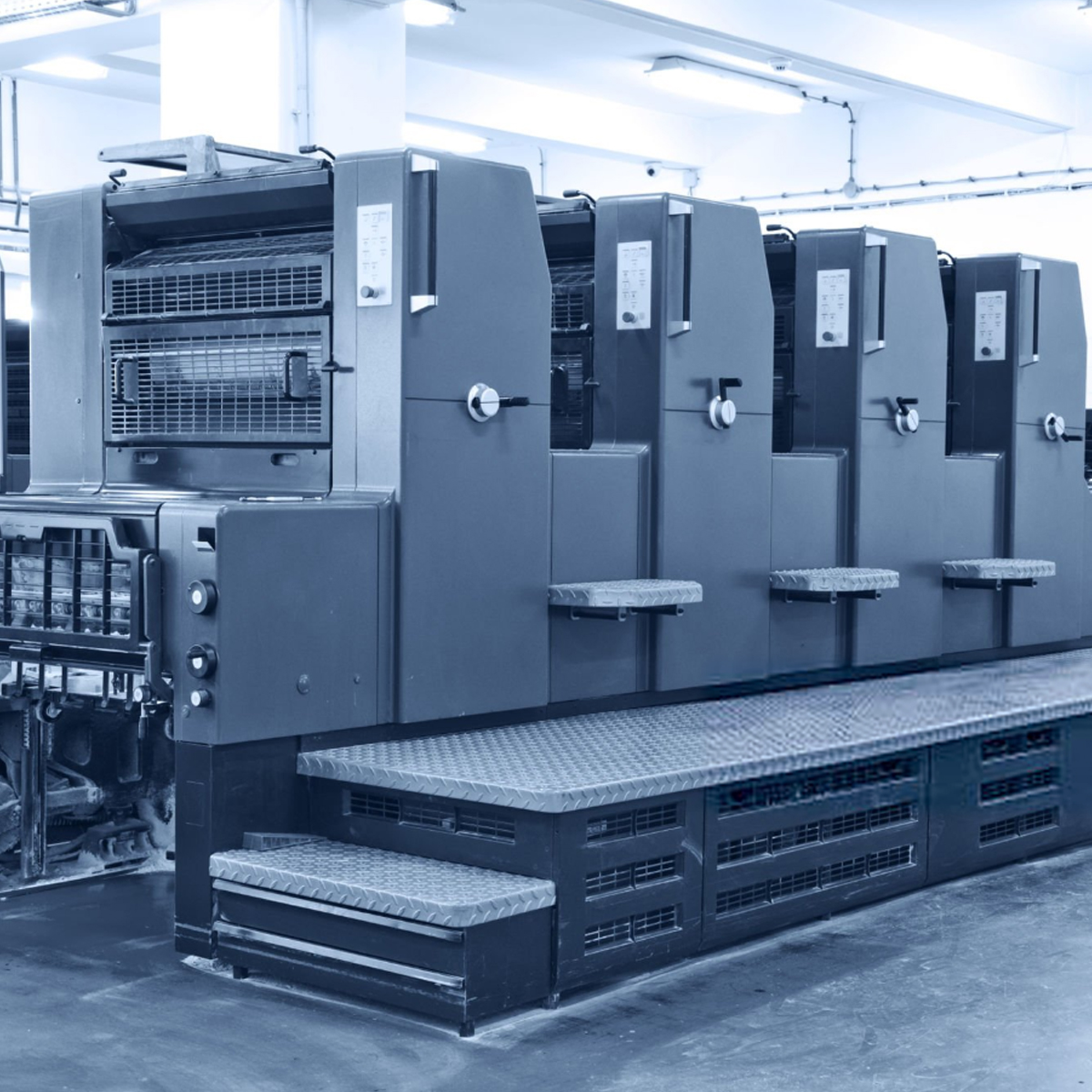
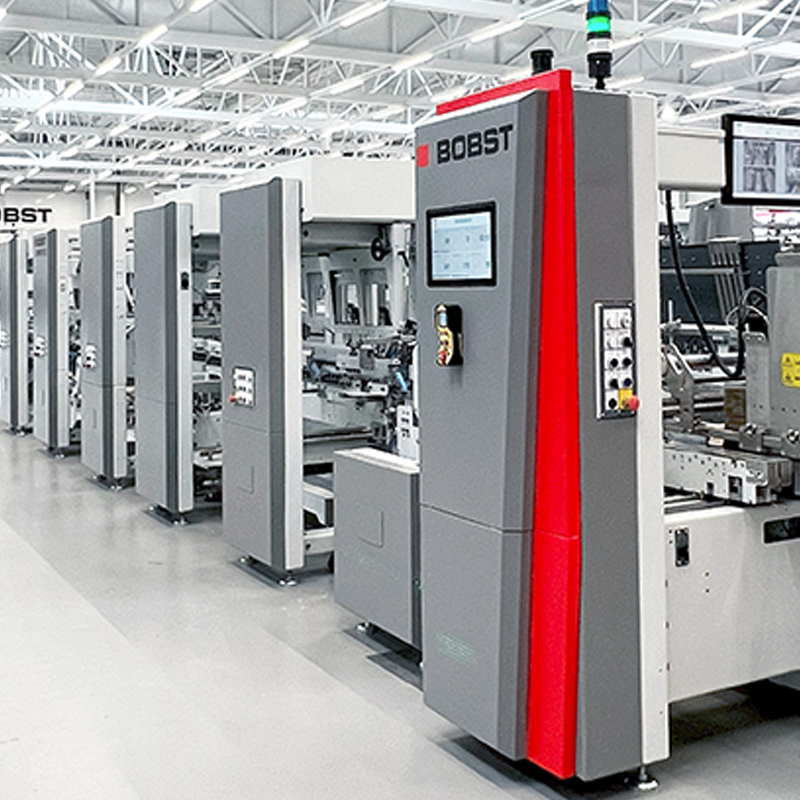
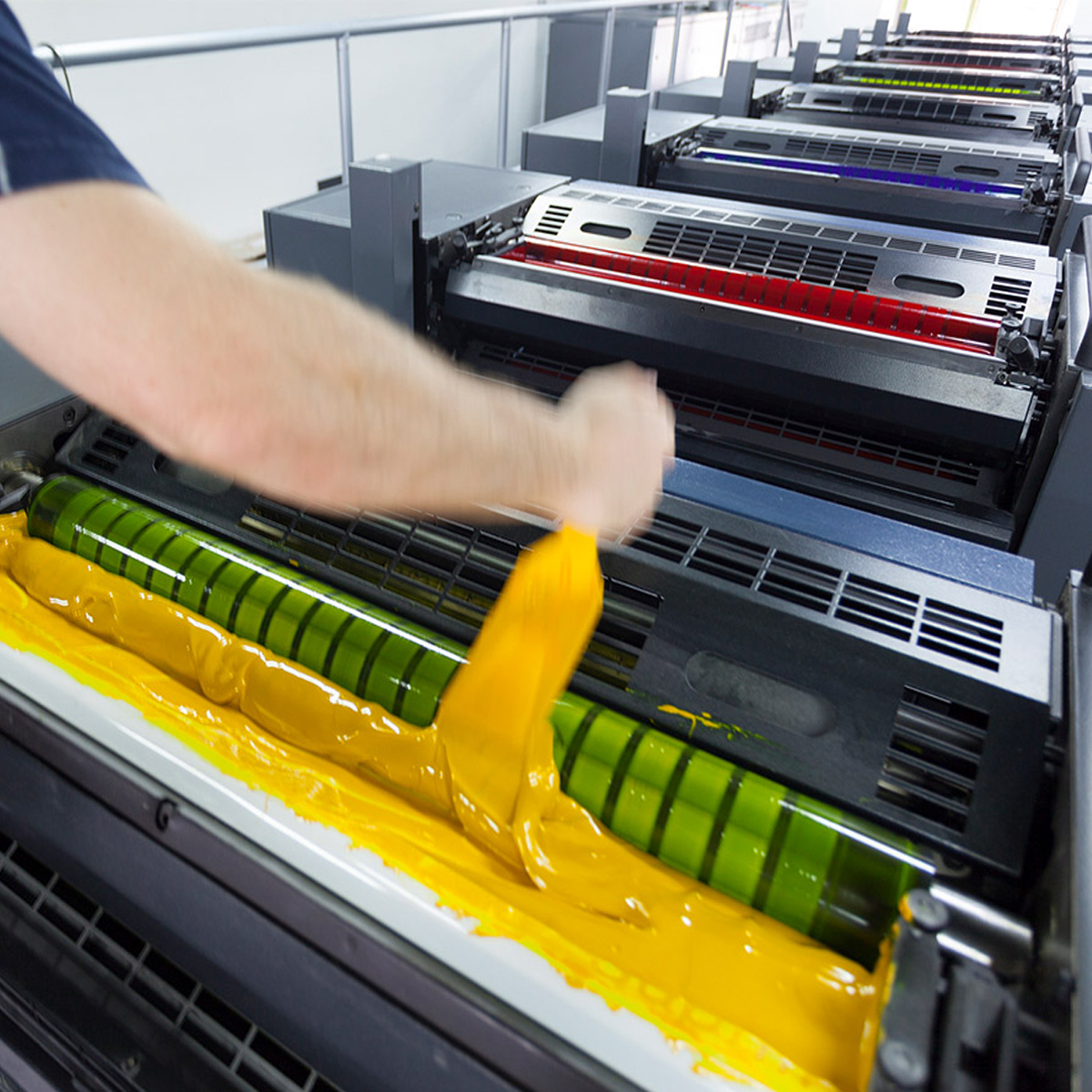
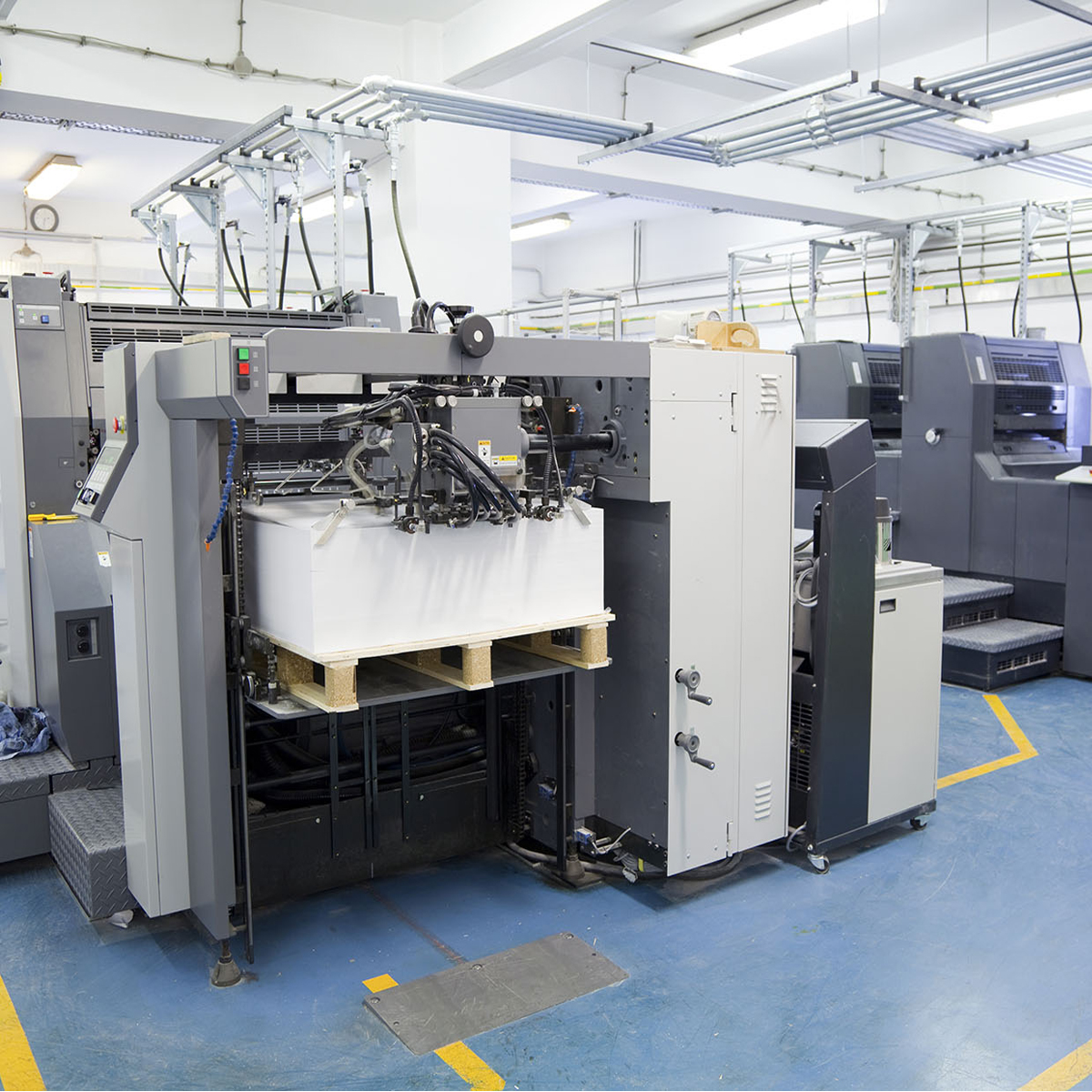
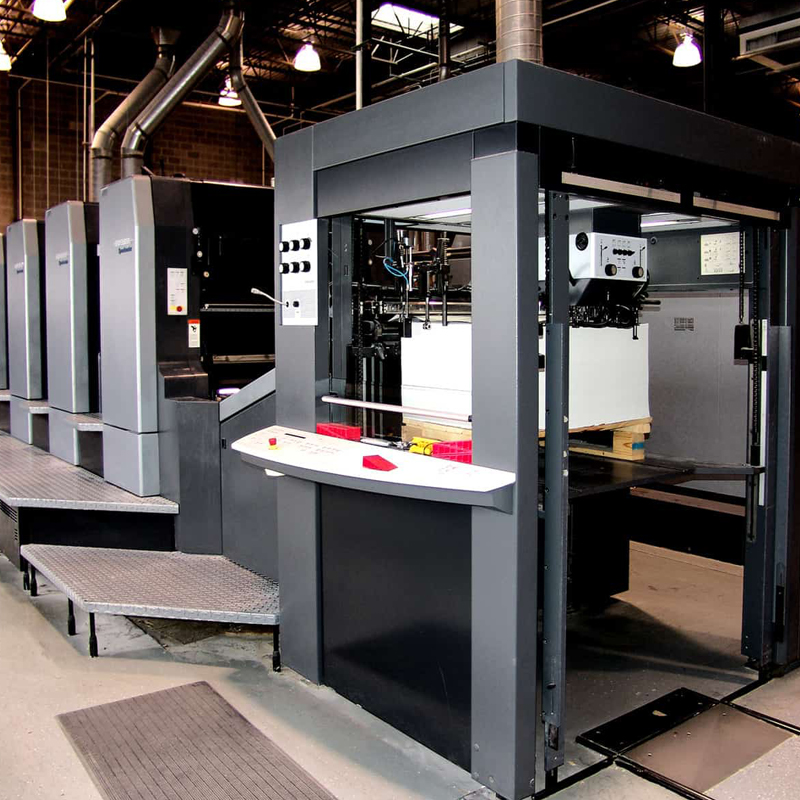
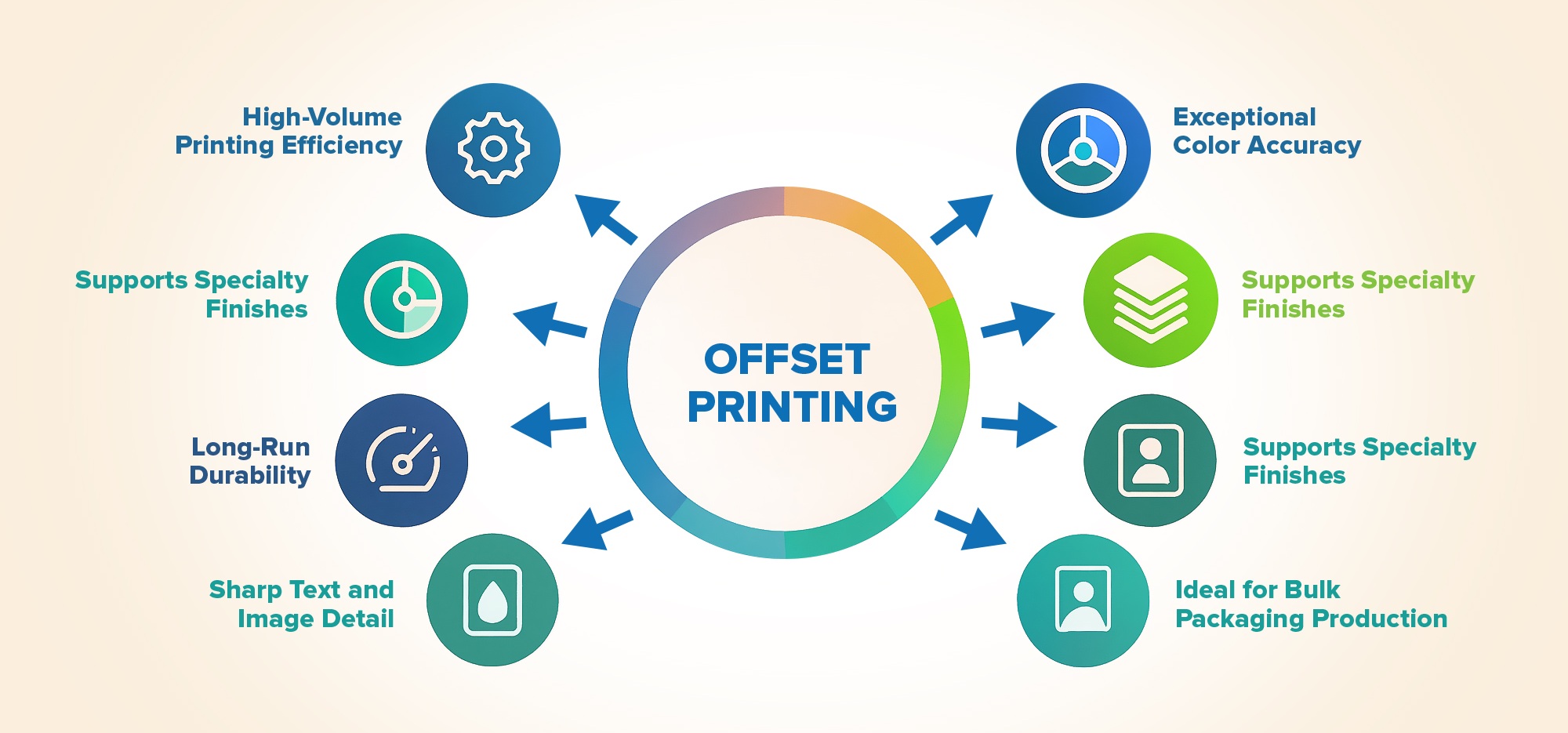
Table of Contents
Benefits, Process, Technology & Applications
A Complete Guide to Modern Packaging & Commercial Printing
Offset printing remains one of the most trusted and widely used printing technologies in the world. Known for its precision, durability, and exceptional image quality, it plays a crucial role in the production of premium packaging, marketing materials, books, magazines, and high-volume commercial print runs.
This in-depth guide explores everything you need to know about offset printing, how it works, its advantages, the materials involved, and where it fits in today’s printing landscape.
What Is Offset Printing?
Offset printing is a high-quality printing process where ink is transferred from a metal plate to a rubber blanket, and finally onto the paper or substrate. It is called “offset” because the ink never goes directly from the plate to the material, instead, it is offset through the blanket cylinder.
Its biggest strengths include sharp details, accurate color reproduction, and cost-efficiency for medium to large production volumes. This makes it a preferred choice for premium packaging, folding cartons, books, magazines, brochures, and branded commercial print.
The Offset Printing Process: How It Works
The Evolution of Offset Printing
- Computer-to-plate (CTP) imaging
- Automated color calibration
- High-speed multi-tower presses
- Hybrid offset + UV systems
- Folding cartons
- Luxury packaging
- Brochures & catalogs
- Stationery printing
- Newspapers
- Magazines
- Books
- Commercial print runs
- Exceptional print clarity and sharpness
- Accurate Pantone & CMYK color matching
- Lower cost per unit at scale
- Wide range of substrates
- Premium finishing options
- Higher initial setup cost
- Not suitable for very low quantities
- Longer turnaround compared to digital printing
Offset is the preferred choice for premium quality and large-scale production.
| Feature | Offset Printing | Digital Printing |
|---|---|---|
| Best For | Medium–Large Runs | Small–Medium Runs |
| Setup Cost | Higher | Very Low |
| Print Quality | Superior, consistent | Good, improving |
| Color Matching | Excellent Pantone accuracy | Limited Pantone accuracy |
| Customization | Not flexible | Highly flexible |
| Finishing | Wide variety | Moderate |
- Soy-based and vegetable-based inks
- Low-VOC printing systems
- Recyclable aluminum plates
- Closed-loop water systems
- Forest-certified paper sourcing (FSC, PEFC)
- Ink waste
- Water consumption
- Paper spoilage during setup
- AI-driven color calibration
- Automatic plate changing
- Predictive maintenance
- Waterless offset systems
- Bio-based inks
- Low-energy curing technologies
- Superior visual quality
- Brand consistency
- High-end finishes
- Cost-effective scalability